
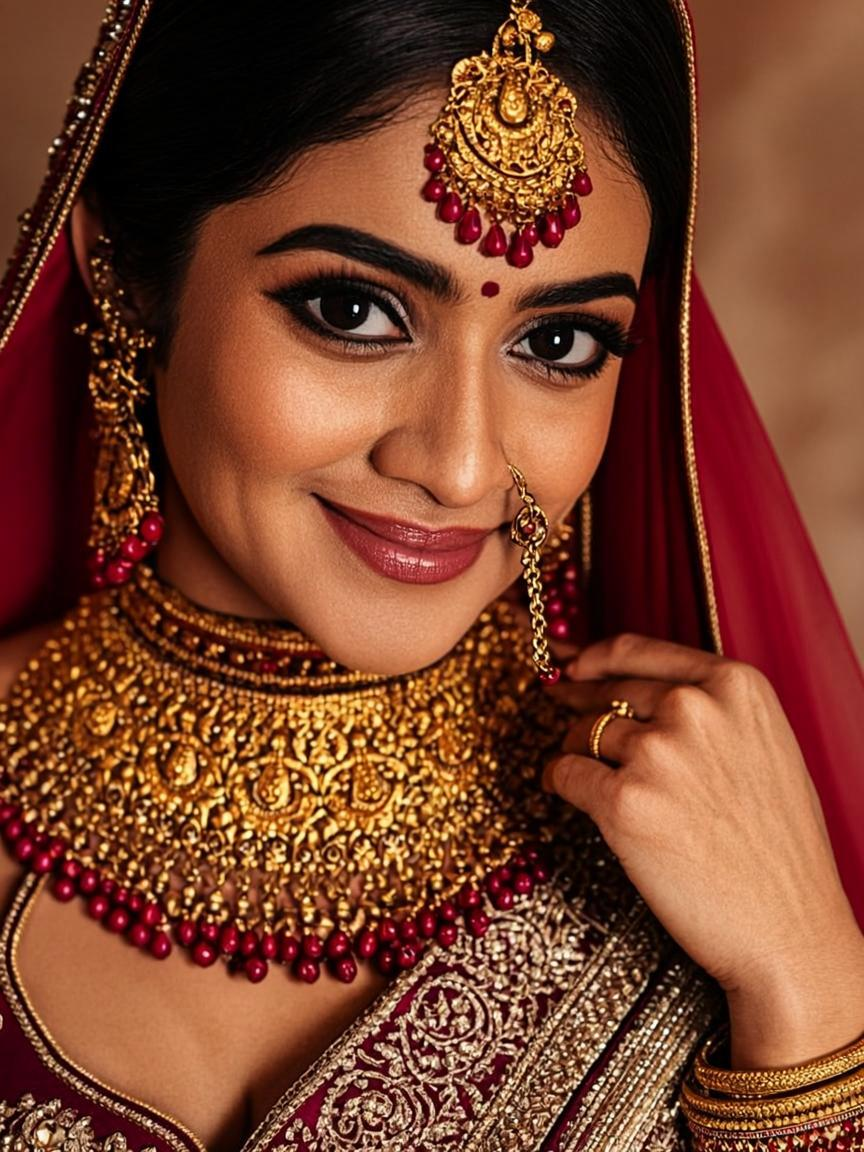
A wedding in India is not just a ceremony — it is a grand celebration of love, tradition, and family heritage. And at the heart of every bride's dream is the jewellery she adorns on her special day. Wedding jewellery in India carries deep cultural significance, often representing generations of family legacy and serving as a treasured heirloom that is passed down through the years. At DENI JEWELLERS, we understand that choosing the perfect wedding jewellery is one of the most important decisions a bride will make, and we are here to guide you through every sparkling possibility.
Why Wedding Jewellery Matters So Much
In Indian culture, wedding jewellery is far more than mere adornment. It is a symbol of prosperity, blessings from elders, and the sacred bond between two families. Each piece carries meaning: the mangalsutra represents the union of husband and wife, the bangles symbolize good fortune and longevity of the marriage, and the nose ring is believed to be associated with Ayurvedic health benefits. The weight and quantity of gold a bride wears also traditionally signify the family's love and investment in her future happiness and security.
Beyond the symbolism, Indian wedding jewellery is a significant financial investment. Gold has historically been one of the most stable and reliable stores of value in Indian households, and wedding jewellery often serves as a form of financial security for the bride. This dual role of beauty and investment makes it all the more important to choose wisely, selecting pieces that are not only stunning but also well-crafted and made from high-quality gold that will retain its value for decades to come.
Traditional South Indian Wedding Jewellery
South Indian bridal jewellery is renowned for its grandeur, intricate temple-inspired designs, and the sheer weight of gold involved. The traditional South Indian bride is often adorned from head to toe in magnificent gold pieces that create a breathtaking visual impact. Temple jewellery, which draws its design inspiration from the ornate sculptures adorning ancient South Indian temples, remains the most sought-after style for traditional weddings.
The quintessential South Indian bridal set includes several statement pieces that work together to create a cohesive and regal look. The Lakshmi haar, featuring the goddess Lakshmi in repousse work, is a centrepiece necklace that drapes elegantly across the bride's chest. The vanki, or armlet, adds a majestic touch to the bride's arms, while the oddiyanam (waist belt) cinches the silk saree at the waist and is often the heaviest single piece in the entire ensemble. Jhumkas and mattal (ear chains) frame the bride's face with delicate golden drops that sway gracefully with every movement.
Must-Have Pieces for a South Indian Bride
- Temple Necklace (Lakshmi Haar) — A heavy gold necklace featuring goddess Lakshmi motifs, often paired with a shorter choker-style necklace for a layered look
- Vanki (Armlet) — A V-shaped armlet worn on the upper arm, typically featuring intricate temple designs and sometimes studded with rubies or emeralds
- Oddiyanam (Waist Belt) — A broad, ornate gold belt that serves both as a beautiful accessory and a functional piece to secure the saree pleats
- Jhumka with Mattal — Bell-shaped earrings paired with a gold chain that hooks into the hair, providing support and an additional decorative element
- Maang Tikka / Nethichutti — A forehead ornament that completes the traditional bridal look with its central pendant resting on the bride's forehead
- Gold Bangles (Valayal) — Multiple sets of gold bangles, often 21 on each hand, that create a beautiful musical sound with every gesture
- Toe Rings (Metti) — Traditional silver or gold toe rings worn on the second toe, symbolizing the married status of the woman
North Indian Wedding Jewellery
North Indian bridal jewellery has its own distinct character, often featuring Kundan, Polki, and Meenakari work that reflects the rich artistic heritage of Rajasthan, Gujarat, and Delhi. While South Indian jewellery celebrates the warmth and purity of gold in its natural form, North Indian bridal sets tend to incorporate more gemstones, creating a kaleidoscope of colour that complements the vibrant lehenga and dupatta. The Kundan technique, which involves setting uncut diamonds and precious stones in gold foil, creates a royal and opulent appearance that has been favoured by Indian royalty for centuries.
Polki jewellery, made using uncut diamonds in their natural form, is another hallmark of North Indian bridal styling. The raw, organic beauty of Polki diamonds set against the warm glow of gold creates a look that is simultaneously grand and earthy. When paired with Meenakari (colourful enamel work) on the reverse side of the jewellery, each piece becomes a reversible work of art — resplendent Kundan on the front and vibrant Meenakari on the back. This dual-sided artistry is what makes North Indian wedding jewellery so deeply fascinating and collectible.
Must-Have Pieces for a North Indian Bride
- Kundan Necklace Set — A layered necklace set with uncut diamonds and precious gemstones, typically including a choker and a longer haar
- Maang Tikka — A forehead ornament with a central Kundan or Polki piece, often featuring a chain of pearls along the hairline
- Passa / Jhoomar — A side-headpiece worn on one side of the head, adding asymmetrical elegance to the bridal ensemble
- Chooda — A set of red and white bangles traditionally worn by Punjabi brides for a minimum of 40 days after the wedding
- Haathphool — A hand harness that connects rings to a central flower motif on the back of the hand, extending to a bracelet at the wrist
- Bajuband — An armlet similar to the South Indian vanki but typically featuring Kundan or Polki work with gemstones
- Kamarband — A waist chain or belt worn over the lehenga, often featuring delicate Kundan work and pearl drops
Modern Minimalist Wedding Jewellery
Not every bride dreams of being laden with heavy gold from head to toe, and the modern Indian wedding landscape has beautifully evolved to embrace minimalist aesthetics as well. Today's brides are increasingly choosing quality over quantity, selecting fewer but more impactful pieces that allow their natural beauty and their outfit to take centre stage. This trend does not mean compromising on tradition; rather, it represents a thoughtful curation of pieces that are meaningful, versatile, and reflective of the bride's personal style.
Minimalist bridal jewellery works especially well for intimate weddings, destination ceremonies, and reception events where the bride may prefer a lighter, more contemporary look. Delicate diamond-studded necklaces, solitaire ear studs, sleek gold bangles, and refined maang tikkas can create an equally stunning bridal appearance without the weight and complexity of a full traditional set. At DENI JEWELLERS, our designers create minimalist bridal pieces in 18K gold with certified diamonds, ensuring that even the simplest design carries the hallmark of exceptional quality and craftsmanship.
Top Minimalist Bridal Picks
- Solitaire Diamond Necklace — A single stunning diamond pendant on a fine gold chain, elegant and timeless
- Diamond Ear Studs or Small Drops — Understated yet brilliant, perfect for the bride who wants sparkle without bulk
- Sleek Gold Bangle Set — Two to four polished gold bangles in 22K, offering classic beauty without heaviness
- Minimalist Maang Tikka — A small central stone on a delicate chain, adding just the right touch of tradition
- Thin Gold Kamarband — A lightweight waist chain that adds a subtle traditional element without overwhelming the outfit
Choosing the Right Gold Karat for Wedding Jewellery
The choice of gold karat for wedding jewellery depends largely on the style and function of each piece. For traditional South Indian temple jewellery, 22K gold is the standard, as it offers the perfect combination of purity and malleability needed for the intricate repousse and granulation work that defines this style. The warm, rich yellow of 22K gold is also deeply associated with auspiciousness and tradition in Indian culture, making it the natural choice for the most important jewellery a woman will ever own.
For Kundan and Polki pieces, 24K gold is typically used for the base framework (known as "gada") because its softness allows the craftsman to create the precise settings needed for each stone. The visible parts of the jewellery, however, may use 22K or even 18K gold for added strength. Diamond-studded wedding jewellery, particularly rings and delicate pendants, is best crafted in 18K gold, which provides the hardness required to securely hold precious stones in place while maintaining a beautiful golden hue. Understanding these distinctions will help you appreciate the craftsmanship behind each piece and make more informed decisions when building your bridal collection.
"A bride's jewellery should tell her story — her heritage, her taste, her dreams. At DENI JEWELLERS, every piece is crafted to be that story." — DENI JEWELLERS
Budget Planning for Wedding Jewellery
Wedding jewellery is one of the largest expenses in an Indian wedding, and careful budget planning is essential. A good rule of thumb is to allocate approximately 15-20% of the total wedding budget towards jewellery. Start by prioritizing the must-have pieces — the mangalsutra, wedding rings, and the primary necklace set — and then allocate remaining funds towards additional pieces like bangles, earrings, and hair accessories. Remember that making charges can significantly impact the final price, so discuss this aspect openly with your jeweller.
At DENI JEWELLERS, we offer transparent pricing with no hidden costs, and our experts will work with you to create a bridal jewellery plan that maximizes value without compromising on quality or design. We also offer a bespoke design service where we can create custom pieces that combine traditional elements with modern sensibilities, ensuring that your wedding jewellery is as unique as your love story. Whether your budget is modest or generous, we believe every bride deserves to feel like royalty on her wedding day.
Tips for Preserving Your Wedding Jewellery
Your wedding jewellery is an investment that deserves proper care and attention to maintain its beauty and value over the years. Always store each piece separately in a soft-lined jewellery box or individual cloth pouch to prevent pieces from scratching each other. Avoid exposing your jewellery to perfumes, hairsprays, or cosmetics, as these can dull the surface of gold and damage gemstones over time. After wearing, gently wipe each piece with a soft, lint-free cloth to remove any oils or residues before storing.
For Kundan and Polki jewellery, extra care is needed as the foil backing can be damaged by moisture. Store these pieces in a dry environment with silica gel packets to absorb any humidity, and never immerse them in water or cleaning solutions. For diamond jewellery, occasional professional ultrasonic cleaning is recommended to maintain maximum brilliance. At DENI JEWELLERS, we offer complimentary annual cleaning and inspection services for all jewellery purchased from us, ensuring that your precious pieces remain in perfect condition for generations to come.
Ready to Find Your Dream Wedding Jewellery?
Visit DENI JEWELLERS to explore our exclusive bridal collections, or schedule a personal consultation with our design experts.