
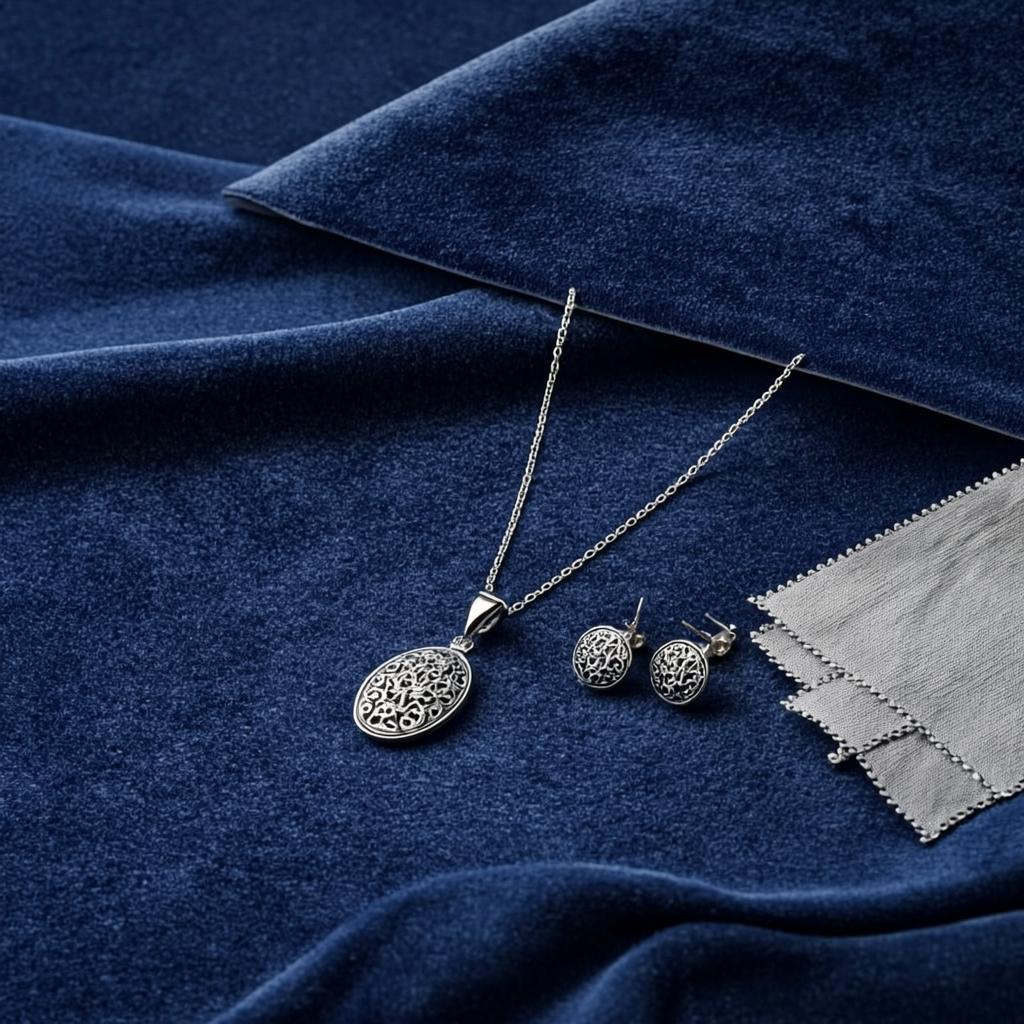
Silver jewellery holds a special place in every jewellery collection. Its cool, luminous beauty and remarkable versatility make it a favourite for both everyday wear and special occasions. However, silver is also prone to tarnishing — a natural chemical reaction that occurs when silver comes into contact with sulphur-containing substances in the air, water, and even our skin. The good news is that with proper care, cleaning, and storage techniques, your silver jewellery can maintain its brilliant shine for decades, and even generations. At DENI JEWELLERS, we want to help you protect your silver investments with these comprehensive care tips.
Why Does Silver Tarnish?
Understanding why silver tarnishes is the first step towards preventing and treating it effectively. Pure silver (999 fineness) is actually quite resistant to tarnishing, but most jewellery silver is sterling silver (925 fineness), which contains 7.5% copper. It is this copper content that makes sterling silver more susceptible to tarnishing, as copper reacts readily with sulphur compounds in the environment. When silver reacts with hydrogen sulphide in the air, it forms silver sulphide — a dark, dull layer on the surface of the metal that we recognize as tarnish.
The rate of tarnishing depends on several environmental factors. Humidity, air pollution, and proximity to industrial areas or sources of sulphur (such as wool, rubber bands, and certain cosmetics) can all accelerate the tarnishing process. Even the natural oils and acids in your skin can contribute to tarnishing over time, which is why silver jewellery that is worn regularly may develop a patina more quickly than pieces stored away. Understanding these factors helps you take targeted preventive measures to keep your silver looking its best.
Daily Wear Tips for Silver Jewellery
The way you wear your silver jewellery on a daily basis has a significant impact on its long-term appearance and condition. One of the most important rules is the "last on, first off" principle: always put your silver jewellery on after applying perfume, lotion, hairspray, and makeup, and remove it first at the end of the day. Cosmetics and personal care products contain chemicals that can accelerate tarnishing and may even cause permanent discolouration or damage to silver surfaces.
Remove your silver jewellery before engaging in activities that expose it to harsh conditions. Swimming in chlorinated pools, doing household cleaning with chemical agents, exercising (which causes sweating), or working in the garden should all be done without your silver pieces. Chlorine is particularly damaging to silver and can cause irreversible pitting and discolouration. Similarly, rubber gloves should never come into contact with silver, as rubber contains sulphur compounds that will rapidly accelerate tarnishing.
Quick Daily Care Checklist
- Apply jewellery last — Always put on silver jewellery after applying all cosmetics, perfumes, and lotions to minimise chemical exposure
- Remove first at night — Take off your silver pieces before bedtime and gently wipe them with a soft cloth
- Avoid water exposure — Remove silver before swimming, bathing, or washing dishes to prevent tarnish and water damage
- Keep away from rubber — Never store silver near rubber bands or in rubber-lined containers, as sulphur in rubber causes rapid tarnishing
- Wipe after wearing — Use a soft, lint-free cloth to gently wipe your silver jewellery after each wear to remove skin oils and moisture
How to Clean Silver Jewellery
Regular cleaning is essential to keep your silver jewellery looking its best and to prevent tarnish from building up to the point where it becomes difficult to remove. The key is to clean your silver gently and frequently, using methods that remove tarnish without scratching or damaging the metal surface. Here are the most effective cleaning methods, arranged from the gentlest to the most intensive.
Method 1: Soft Cloth Polishing
For lightly tarnished silver, a simple polish with a specially treated silver polishing cloth is often all that is needed. These cloths are infused with micro-abrasive and anti-tarnish agents that gently remove surface tarnish while leaving a protective layer on the silver. Use gentle, straight strokes rather than circular motions to avoid creating micro-scratches on the surface. This method is ideal for regular maintenance and should be your first line of defence against tarnish.
Method 2: Warm Soapy Water
For silver jewellery that has accumulated dirt, oils, or light tarnish, washing in warm soapy water is a safe and effective approach. Use a mild, phosphate-free dish soap and warm (not hot) water. Soak the jewellery for 5-10 minutes, then gently clean with a soft-bristled toothbrush, paying attention to crevices and detailed areas where dirt tends to accumulate. Rinse thoroughly with clean water and dry immediately with a soft cloth. This method is safe for most silver jewellery, including pieces with gemstones.
Method 3: Baking Soda and Aluminium Foil
For moderately tarnished silver, the baking soda and aluminium foil method is a popular home remedy that works through an electrochemical reaction. Line a bowl with aluminium foil (shiny side up), place your silver jewellery on the foil, sprinkle with baking soda, and pour boiling water over it. The chemical reaction transfers the silver sulphide from the jewellery to the aluminium foil, effectively reversing the tarnishing process. Let the jewellery sit for 3-5 minutes, then remove, rinse thoroughly, and dry with a soft cloth. This method should not be used on silver jewellery with pearls, opals, or other porous gemstones.
Method 4: Professional Silver Cleaners
For heavily tarnished pieces or intricate jewellery with deep-set tarnish that home methods cannot address, professional silver cleaning solutions are the most effective option. These specially formulated dips and creams dissolve tarnish quickly and restore the original brilliance of the silver. However, they should be used sparingly and according to the manufacturer's instructions, as overuse can remove a microscopic layer of silver with each application. At DENI JEWELLERS, we offer professional silver cleaning services for heavily tarnished or delicate pieces.
Proper Storage for Silver Jewellery
Proper storage is arguably the most important factor in preventing tarnish, and it is an area where many people unknowingly make mistakes that lead to premature tarnishing of their silver pieces. The fundamental principle of silver storage is to minimize the jewellery's exposure to air, moisture, and sulphur-containing substances. Every moment your silver is exposed to the air, it is slowly reacting with sulphur compounds and developing tarnish, so the more airtight your storage solution, the slower the tarnishing process will be.
Store each piece of silver jewellery in an individual airtight plastic bag or a sealed jewellery box with anti-tarnish strips. Anti-tarnish strips contain activated charcoal or other absorbent materials that capture sulphur compounds and moisture from the enclosed air, significantly slowing the tarnishing process. Replace these strips every 3-6 months for continued effectiveness. For added protection, you can place a small silica gel packet in each storage bag to absorb any residual moisture.
Never store silver jewellery in wooden boxes or on wooden surfaces, as wood often contains acids and sulphur compounds that can accelerate tarnishing. Similarly, avoid wrapping silver in newspaper or using rubber bands to secure jewellery, as both contain chemicals that will cause rapid and severe tarnishing. If you prefer cloth storage, use specially treated anti-tarnish jewellery pouches that are designed to protect silver from environmental factors.
When to Seek Professional Help
While most silver care can be handled at home, there are situations where professional intervention is the wisest course of action. If your silver jewellery features delicate filigree work, intricate engravings, or is set with gemstones, amateur cleaning attempts can cause more harm than good. Heavily tarnished antique pieces should also be taken to a professional, as aggressive cleaning methods can remove the desirable patina that adds character and value to antique silver.
At DENI JEWELLERS, we offer complimentary cleaning and inspection services for all silver jewellery purchased from us. Our experienced artisans use specialized ultrasonic cleaners, steam cleaners, and hand-polishing techniques that are safe for even the most delicate pieces. We recommend bringing your silver jewellery in for professional cleaning at least once a year, or whenever home cleaning methods fail to restore its original lustre.
"Silver tells a story with every wear — let yours tell a story of care, not neglect. With the right attention, your silver jewellery will shine as brightly as the day you first wore it." — DENI JEWELLERS
Need Help Caring for Your Silver?
Visit DENI JEWELLERS for professional silver cleaning services, or chat with our experts for personalized care advice.