
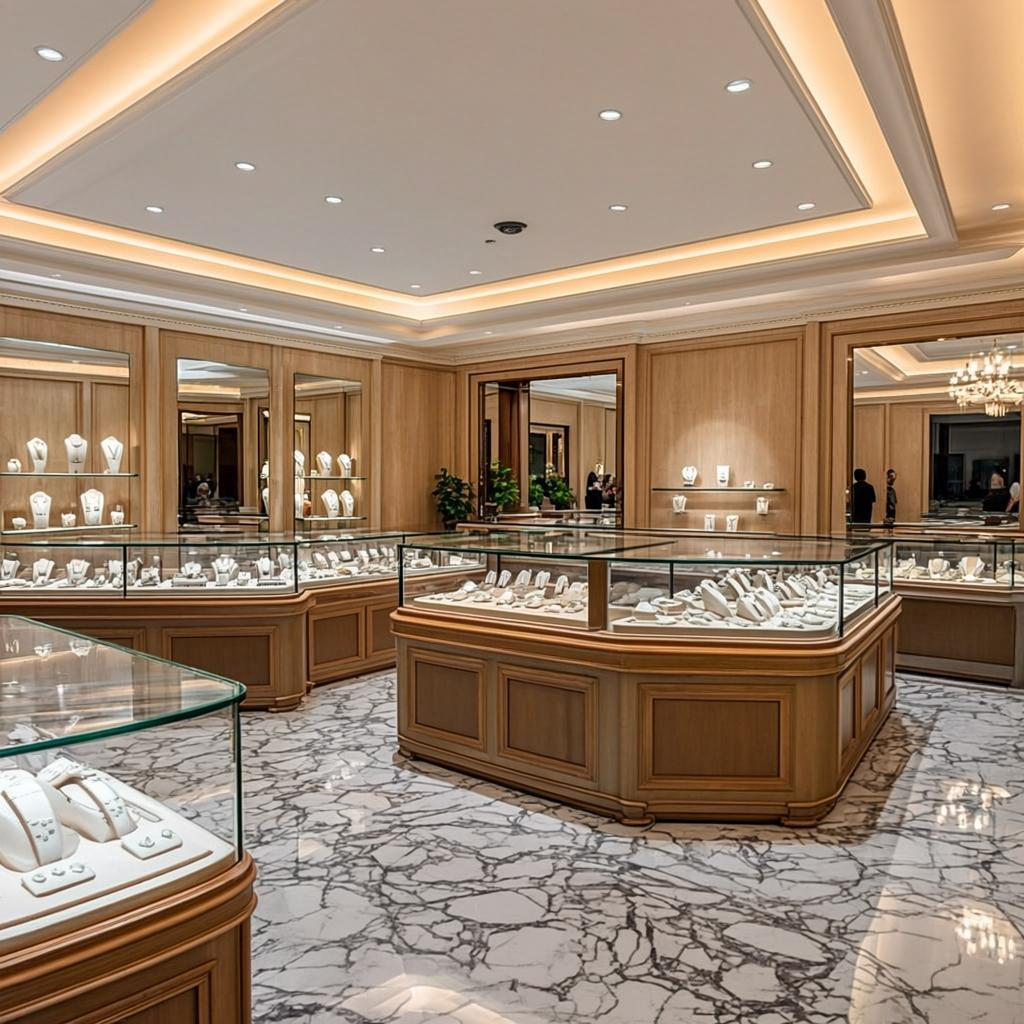
Buying gold for the first time can feel both exciting and overwhelming. With so many options, technical terms, and prices to consider, it is easy to feel lost before you even step into a jewellery store. But purchasing gold does not have to be intimidating — with the right knowledge and preparation, it can be one of the most rewarding investments you will ever make. At DENI JEWELLERS, we have guided thousands of first-time buyers through the process, and we have distilled all that experience into these ten essential tips that will help you shop with confidence and clarity.
1. Understand Karat Purity Before You Buy
The very first thing every gold buyer must understand is the karat system. Karat (not to be confused with "carat," which measures gemstone weight) indicates the purity of gold. 24K gold is 99.9% pure, 22K is 91.6% pure, 18K is 75% pure, and 14K is 58.3% pure. The remaining percentage consists of alloying metals like copper, silver, and zinc that are added to increase strength and durability. For jewellery that you intend to wear regularly, 22K gold is the most popular choice in India because it offers an excellent balance of purity and durability. If you are buying gold purely as an investment, 24K coins or bars are ideal. Understanding this fundamental distinction will immediately put you ahead of most first-time buyers.
2. Always Look for BIS Hallmark Certification
The Bureau of Indian Standards (BIS) hallmark is your guarantee of gold purity. Since June 2021, BIS hallmarking has been mandatory for gold jewellery sold in India, which means any piece of gold jewellery you purchase should carry the BIS logo, a purity grade in karat and fineness, the jeweller's identification mark, and the hallmarking centre's identification mark. Never purchase gold jewellery without a valid BIS hallmark, regardless of how trustworthy the seller claims to be. The hallmark ensures that the gold content matches what you are paying for, and it also significantly simplifies the resale process should you ever decide to part with your jewellery.
3. Know the Difference Between Gold Price and Making Charges
When you buy gold jewellery, the final price consists of three main components: the gold value (calculated by multiplying the weight by the current daily gold rate), the making charges (the fee for crafting the jewellery), and GST at 3%. Making charges can vary dramatically depending on the complexity of the design, the craftsmanship involved, and the jeweller's pricing policy. Simple machine-made chains might have making charges of 5-8% of the gold value, while intricate handcrafted pieces can carry making charges of 15-25% or even higher. Always ask for a clear breakdown of making charges before finalizing your purchase, and do not hesitate to negotiate — making charges are often the most flexible component of the price.
4. Choose the Right Weight for Your Purpose
The weight of gold jewellery you should buy depends entirely on your purpose. If you are buying a daily-wear chain or bangles, lighter weights (2-6 grams for chains, 4-8 grams per bangle) are practical and comfortable. For occasional wear or festive pieces, medium weights (8-20 grams) offer more visual impact. For wedding or investment purposes, heavier pieces (20 grams and above) provide better value retention. Remember that very lightweight gold jewellery, especially in 22K, can be quite delicate and may not withstand daily wear and tear. Discuss your intended usage with the jeweller so they can recommend the appropriate weight range for your needs.
5. Buy on the Right Day — Understanding Daily Gold Rates
Gold prices fluctuate daily based on international market conditions, currency exchange rates, and local demand-supply dynamics. As a first-time buyer, it is wise to track gold prices for at least a week before making your purchase to understand the current trend. Many jewellers update their daily rates every morning, and you can check the live rate on websites like the India Bullion and Jewellers Association (IBJA) or the BIS website. Avoid buying on days when prices have spiked unexpectedly, and try to plan your purchase during a period of relative stability. This simple practice can save you a significant amount, especially on larger purchases.
6. Understand the Different Types of Gold Jewellery
Not all gold jewellery is created equal, and understanding the different types available will help you make the right choice for your needs. Solid gold jewellery is made entirely of the specified karat gold alloy and offers the highest value retention. Hollow gold jewellery has an empty interior that makes it lighter and more affordable, but it is also more fragile and can dent or collapse under pressure. Gold-plated jewellery consists of a base metal coated with a thin layer of gold — this is the least expensive option but has virtually no gold value and the plating will wear off over time. Gold-filled jewellery has a thicker layer of gold bonded to the base metal and lasts longer than plating, but still cannot match solid gold for value. Always confirm that you are buying solid gold unless you specifically want a lighter hollow piece for occasional wear.
7. Ask About Buyback and Exchange Policies
A reputable jeweller will always have a clear buyback and exchange policy, and this is something you should ask about before making your purchase. Most established jewellers offer to buy back gold at the current market rate with a small deduction (typically 2-5%) for purity testing and processing. Exchange policies allow you to trade in your old gold jewellery towards a new purchase, though making charges on the old piece are typically not refunded. At DENI JEWELLERS, we offer transparent buyback at prevailing market rates and hassle-free exchange with fair valuation. Understanding these policies upfront ensures that your gold purchase remains a liquid and flexible investment.
8. Insist on a Proper Invoice and Certification
A proper, detailed invoice is not just a receipt — it is a legal document that protects your investment. Your invoice should clearly state the karat purity, the weight of the gold (broken down into gross weight, stone weight, and net gold weight), the current gold rate per gram, the making charges, GST amount, and the total price. It should also mention the BIS hallmark number. Keep this invoice safely along with the hallmark certificate, as you will need both for any future exchange, resale, or insurance claim. Never accept a vague or handwritten bill that does not include all these details. A jeweller who is unwilling to provide a proper invoice is a red flag that should not be ignored.
9. Consider Stone Weight Separately
When buying studded gold jewellery (pieces set with diamonds, rubies, emeralds, or other gemstones), it is crucial to understand that the stone weight is not the same as gold weight. Many first-time buyers make the mistake of paying the gold rate for the total weight of the piece, which includes the stones. Always ask the jeweller to separately weigh and price the gold component and the stone component. The gold should be priced at the current gold rate, while the stones should be valued based on their quality, size, and market rate. This separation ensures you are paying a fair price and also helps with accurate valuation during resale or exchange.
10. Buy from a Trusted and Established Jeweller
Perhaps the most important tip of all is to purchase your gold from a jeweller you can trust. An established jeweller with a long-standing reputation has far more to lose from unethical practices than a fly-by-night operator, and they are far more likely to offer genuine products, fair pricing, and reliable after-sales service. Look for a jeweller who is BIS-certified, offers transparent pricing, provides detailed invoices, and has a clear buyback and exchange policy. At DENI JEWELLERS, we have been serving families since 1987 with a commitment to honesty, quality, and customer satisfaction that has earned us the trust of generations of gold buyers.
"Buying gold for the first time should feel like a celebration, not a gamble. With the right knowledge and the right jeweller, it always will be." — DENI JEWELLERS
Bonus: Quick Checklist for First-Time Gold Buyers
- Decide on your purpose: daily wear, occasional wear, wedding, or investment
- Choose the karat purity: 22K for jewellery, 24K for investment, 18K for diamond-studded pieces
- Check the BIS hallmark on every piece before purchasing
- Track daily gold rates and buy during a stable price period
- Ask for a complete price breakdown: gold value + making charges + GST
- Understand the difference between solid, hollow, and plated gold
- Request separate weight and pricing for gold and stones in studded jewellery
- Get a proper detailed invoice with hallmark certificate
- Ask about the buyback and exchange policy before paying
- Buy only from BIS-certified, established jewellers with transparent practices
Ready to Make Your First Gold Purchase?
Visit DENI JEWELLERS for expert guidance, transparent pricing, and a stress-free buying experience. Our team is here to help you every step of the way.