
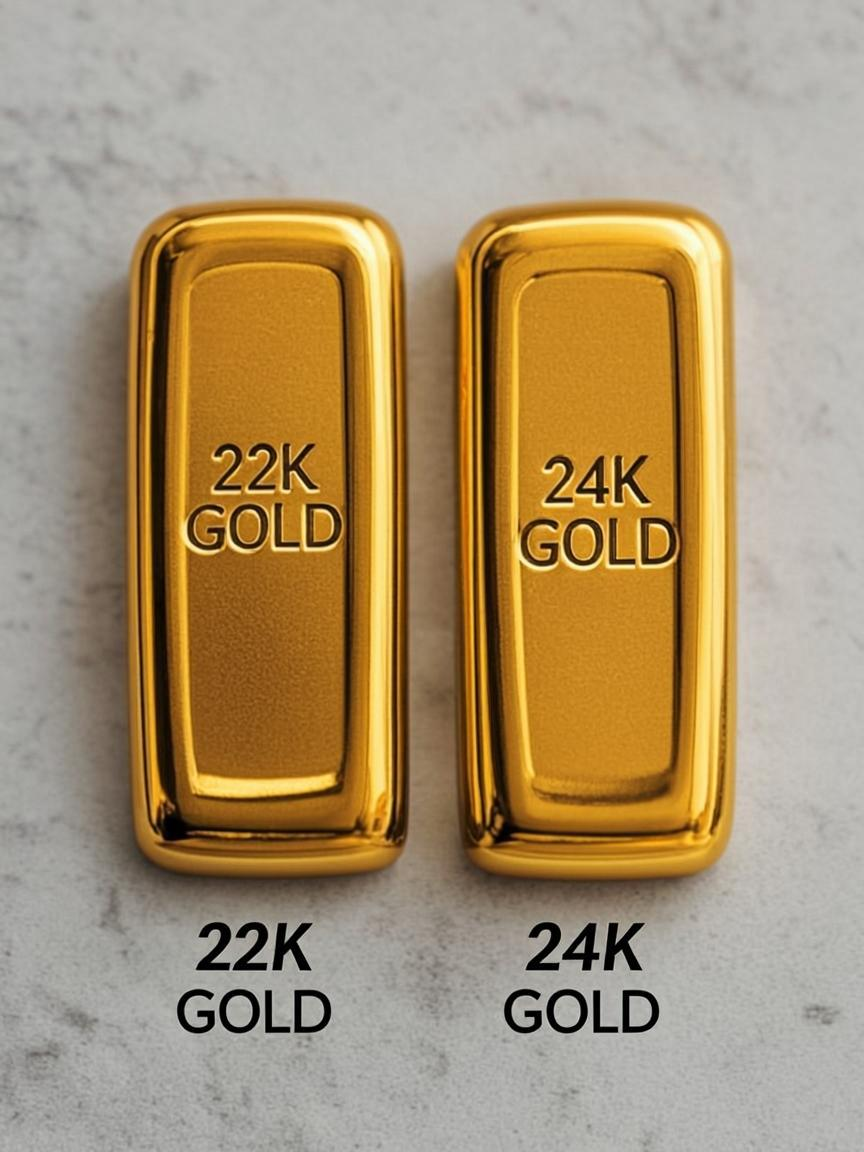
When it comes to buying gold jewellery in India, one of the most common dilemmas customers face is choosing between 22K and 24K gold. While both are precious and valuable, they serve very different purposes and understanding the distinction between them is crucial for making an informed purchase. At DENI JEWELLERS, we believe that knowledge empowers you to make the best decision for your needs, budget, and lifestyle. In this comprehensive guide, we will break down everything you need to know about 22K and 24K gold so that you can invest with confidence and clarity.
What Does "Karat" Mean in Gold?
The term "karat" (denoted by the letter "K") is a measure of the purity of gold. Pure gold is designated as 24K, which means that out of 24 parts, all 24 parts are gold. The karat system is a straightforward way to understand how much actual gold content exists in any given piece of jewellery. When you see a lower karat number, it simply means that the remaining parts are made up of other metals such as copper, silver, zinc, or palladium, which are mixed in to create an alloy. These alloying metals serve a critical purpose: they enhance the durability, strength, and sometimes the colour of the gold, making it suitable for everyday wear and intricate designs.
Understanding the karat system is the first step towards making a wise gold purchase. In India, 22K gold is the most popular choice for jewellery, while 24K gold is primarily used for investment purposes. Let us explore each type in detail to understand why.
What is 24K Gold?
24K gold is the purest form of gold available in the market, consisting of 99.9% gold content. It has a distinctive, rich yellow colour that is instantly recognizable and deeply associated with luxury and wealth. Because it contains virtually no other metals, 24K gold is hypoallergenic, meaning it is unlikely to cause any skin reactions or allergies, making it an excellent choice for people with sensitive skin.
However, the very purity that makes 24K gold so valuable also makes it impractical for most types of jewellery. Pure gold is an extremely soft and malleable metal. It can be easily scratched, dented, and bent out of shape with minimal force. This means that a 24K gold ring, for instance, would not withstand daily wear and would quickly lose its shape and structural integrity. Intricate designs and settings with gemstones are nearly impossible to execute in 24K gold because the metal cannot hold the necessary tension and firmness required for secure stone setting.
Advantages of 24K Gold
- Highest purity at 99.9% gold content, making it the most valuable form of gold
- Rich, vibrant yellow colour that is universally recognized and admired
- Hypoallergenic and safe for the most sensitive skin types
- Excellent for investment purposes, as it closely tracks the market price of gold
- Does not tarnish or corrode over time, maintaining its lustrous appearance indefinitely
Disadvantages of 24K Gold
- Too soft and malleable for durable jewellery that can withstand daily wear
- Cannot hold intricate designs or secure gemstone settings
- Prone to scratching, denting, and bending with even gentle impact
- Limited jewellery design options available in 24K gold
- Higher price point compared to lower karat golds due to maximum gold content
What is 22K Gold?
22K gold contains 91.6% pure gold and 8.4% other metals, typically a combination of copper, silver, and zinc. This careful blend of metals creates an alloy that retains the beautiful warm yellow glow of gold while gaining significantly in strength and durability. The addition of alloying metals makes 22K gold hard enough to be crafted into intricate jewellery designs that can withstand the rigours of daily wear, making it the gold standard for Indian jewellery.
At DENI JEWELLERS, the vast majority of our handcrafted pieces are made from 22K gold because it offers the perfect balance between purity and practicality. Whether you are looking for an ornate bridal necklace, delicate filigree bangles, or a classic gold ring, 22K gold provides the structural integrity needed for fine craftsmanship while preserving the warm, luxurious appearance that gold is cherished for. It is no coincidence that 22K gold has been the preferred choice for generations of Indian families when it comes to wedding jewellery and heirloom pieces.
Advantages of 22K Gold
- High gold purity at 91.6%, retaining the rich warm yellow colour of gold
- Strong and durable enough for daily wear and intricate jewellery designs
- Can securely hold gemstones and support complex design patterns
- The most popular choice for Indian wedding and festive jewellery
- Good resale value, as the gold content is still very high
Disadvantages of 22K Gold
- Slightly less pure than 24K gold, with 8.4% of other metals mixed in
- Not suitable for diamond settings that require maximum hardness (18K or 14K is preferred)
- May cause mild skin reactions for extremely sensitive individuals due to alloy metals
- Slightly less vibrant yellow colour compared to 24K gold
22K vs 24K Gold: Quick Comparison
| Feature | 22K Gold | 24K Gold |
|---|---|---|
| Purity | 91.6% Gold | 99.9% Gold |
| Colour | Warm yellow | Richer, deeper yellow |
| Durability | Good — suitable for daily wear | Poor — too soft for regular use |
| Best For | Jewellery (necklaces, bangles, rings) | Investment (coins, bars) |
| Gemstone Setting | Possible but not ideal for diamonds | Not recommended |
| Price | Lower than 24K per gram | Highest per gram |
| Hypoallergenic | Mostly yes, but alloys may cause rare reactions | Completely hypoallergenic |
| Resale Value | High | Highest |
| Making Charges | Higher (intricate work possible) | Lower or minimal (coins/bars) |
Which One Should You Choose?
The answer depends entirely on your purpose for buying gold. If you are purchasing gold primarily as an investment and want to maximize the gold content per rupee spent, then 24K gold in the form of coins or bars is the ideal choice. You will get the closest possible price to the spot market rate for gold, and the resale process is straightforward with minimal deductions for making charges or impurities.
On the other hand, if you are buying gold to wear and enjoy as jewellery, 22K gold is overwhelmingly the better choice. It offers the warmth and beauty of gold at a purity level that is strong enough to be crafted into the stunning designs that Indian jewellery is famous for. From elaborate bridal sets to everyday wear bangles, 22K gold provides the perfect combination of beauty, durability, and value retention that has made it the trusted standard across Indian households for centuries.
"Gold is not just a metal in India; it is an emotion, a tradition, and a promise of security. Choosing the right karat ensures that your gold serves its purpose beautifully." — DENI JEWELLERS
What About 18K and 14K Gold?
While 22K and 24K dominate the Indian market, it is worth mentioning 18K and 14K gold for context. 18K gold contains 75% pure gold and is the international standard for fine jewellery, especially pieces set with diamonds and precious gemstones. The higher proportion of alloying metals gives 18K gold the hardness needed to securely hold diamonds in prong settings and other delicate mountings. 14K gold, at 58.3% purity, is even harder and more affordable, making it popular in Western markets for engagement rings and everyday wear jewellery. At DENI JEWELLERS, we offer select diamond jewellery pieces in 18K gold to ensure maximum security and brilliance for your precious stones.
Caring for Your Gold Jewellery
Regardless of whether you choose 22K or 24K gold, proper care will ensure that your jewellery remains beautiful for generations. Always store your gold pieces separately in soft cloth pouches or individual compartments to prevent scratching. Remove jewellery before swimming, exercising, or using household chemicals, as chlorine and harsh detergents can damage gold surfaces over time. Clean your gold jewellery gently with warm soapy water and a soft brush, and bring it to DENI JEWELLERS for professional cleaning and inspection at least once a year. With the right care, your gold jewellery will continue to shine as brilliantly as the day you first wore it.
Still Unsure? Let Our Experts Help
Visit DENI JEWELLERS for personalized guidance on choosing the perfect gold for your needs, or chat with us on WhatsApp for quick advice.